
Build your technical career with ATC
We train skilled technicians and engineers across Trinidad and Tobago. Industry-recognized programmes, expert instructors, and real-world experience await.

Choose the training path that fits your goals
Full programmes in engineering, trades, and management. Short courses for quick skill gains. Corporate training tailored to your industry.



Numbers that speak for themselves
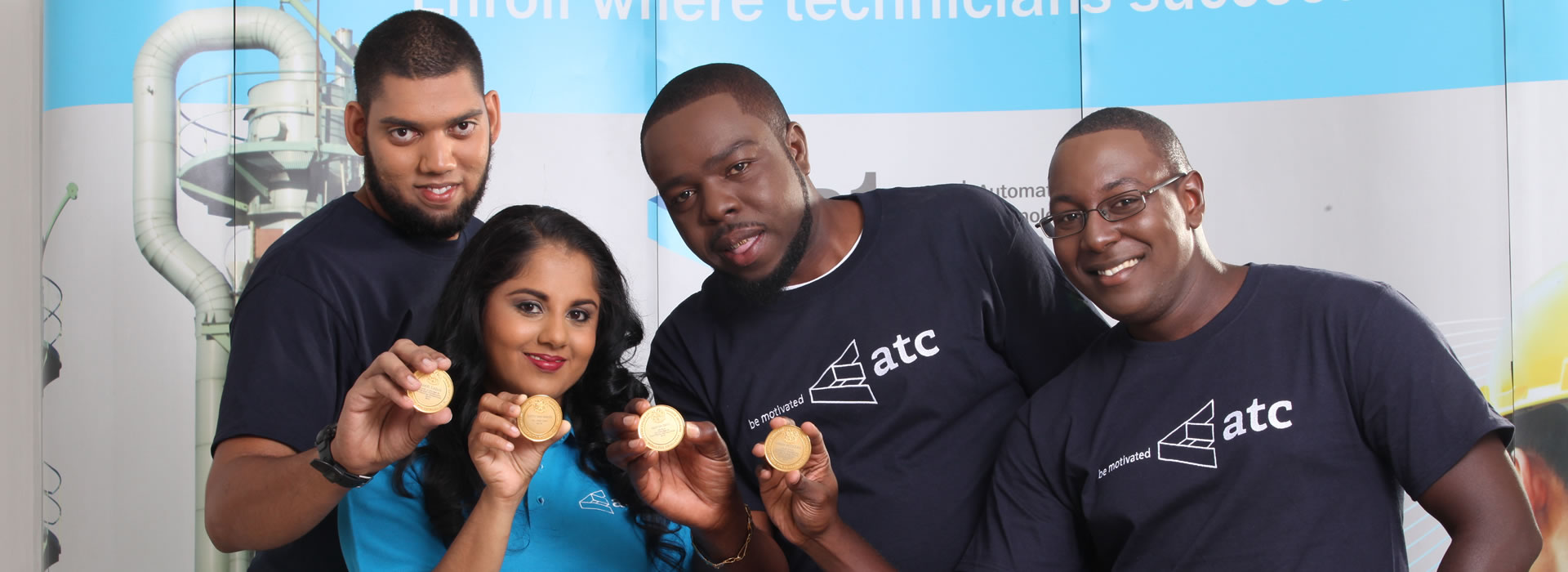
ATC has trained thousands of technicians and engineers across Trinidad and Tobago. Our graduates work in every major industry, from oil and gas to hospitality. We partner with leading certification bodies and employers who trust our standards.
Successful graduates
Working across oil, gas, manufacturing, and utilities sectors.
Years in operation
ATC first open it's doors in 1997.
Corporate clients
ATC has delivered customized technical and vocational training designed to meet the exact needs of many top businesses and institutions.

What sets us apart
Programmes recognized by industry leaders and certification bodies.

Industry-recognized programmes
City & Guilds, NEBOSH, and ILM certifications earned here.
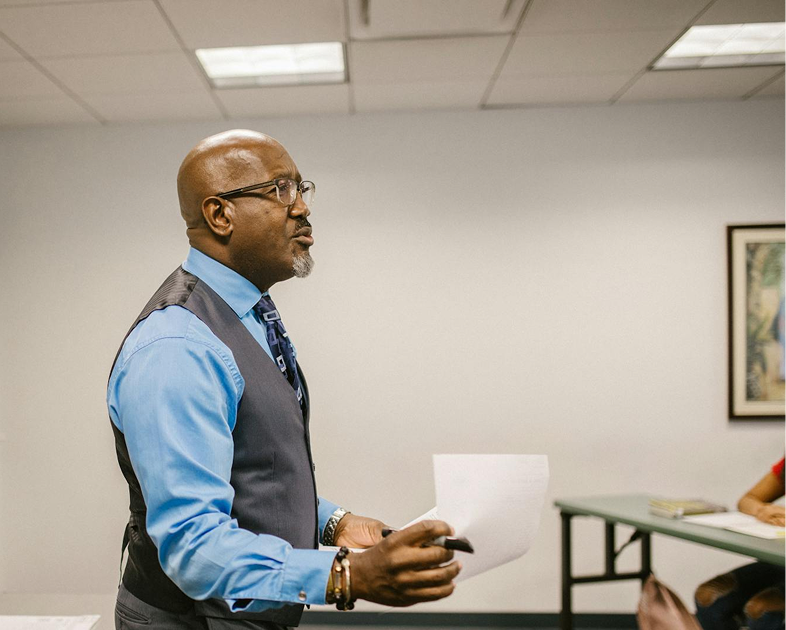
Expert instructors
Professionals with decades of field experience teaching you.

Learning options that fit your life
Part-time, and online courses across two campuses.
Accredited by industry leadering certification bodies

At ATC we develop unique CSR initatives that empower people and communities
We have worked with the Ministry of National Security, Vision on a Mission, Pan American Development Foundation Heroes' Foundation and others to make a difference to those that need help.

Questions
Find answers to what prospective students ask us most
We only offer part-time courses/programmes to the general public. This makes attending ATC an excellent option for those balancing their studies with work or personal commitments. Diploma programmes generally run for one year. Short courses can range from one-day sessions to multiple sessions lasting several months.
Students registering for Diploma level 2 programmes should have reached at least Form 5 in secondary school. Students registering for Diploma level 3 programmes should have the Diploma level 2 in the relevant qualification. Most short courses do not have any prerequisites. Check for specific prerequisite requirements on the specific programme / course pages.
We only offer part-time classes to the general public, and these classes are usually scheduled on evenings and weekends only. Corporate training, however, is usually scheduled on mutually convenient days and times; therefore, training sessions for corporate clients may be held in the daytime on weekdays if requested.
It's a very simple process. WhatsApp your email address, a picture of your ID/DP and proof of payment of the registration fee to (868)758-3760 or (868)788-0403 to start the process. Once ATC is satisfied with the information you have sent, the registration form will be sent to you to complete the process. No registrations are performed at the branch offices.
No payments are accepted at our branch offices. Customers and students must make payments via online banking or in person at Republic Bank only. Proof of payment must always be WhatsApped to the school every time a payment is made.
Our branch offices are located in Curepe and San Fernando. These offices are open to the public on Saturday mornings between 8:30 am and noon. We encourage students and customers to contact us by phone/whasapp/, or email during standard business hours.
Our City & Guilds, NEBOSH, and ILM certifications are respected locally and across the Caribbean and beyond. Graduates work for major corporations and small firms alike. In addition, ATC has provided customized corporate training for many companies, and it is an ATC certificate that the companies receive at the end of the training.
Many companies contact us directly to offer employment opportunities to our graduates. ATC has systems in place to notify graduates of these opportunities, and we facilitate the submission of resumes of interested and eligible students to these companies.
Some short courses are fully online, while others are in person. Longer short courses and year-long programmes are typically blended. Blended programmes have a combination of online tuition and in-person classes. View the specific course page or speak with an advisor for more details.
Still have questions?
Ready for your next step? Talk to us.